
A 2-bedroom move runs about 50 boxes. At retail, that’s real money:
50 boxes × $1.50 to $3 each, plus a few wardrobes and dish-packs = $80 to $200 in cardboard alone. Tape, paper, and bubble wrap are extra.
Most of that can be free.
The catch: not all “free” boxes are usable. Banana boxes look sturdy but the bottoms drop out under 20 pounds of books. Boxes from outside grocery dumpsters are wet, even if they look dry on top. Quality matters as much as price.
Here are 15 places that actually work, ordered by how reliably you’ll find boxes.
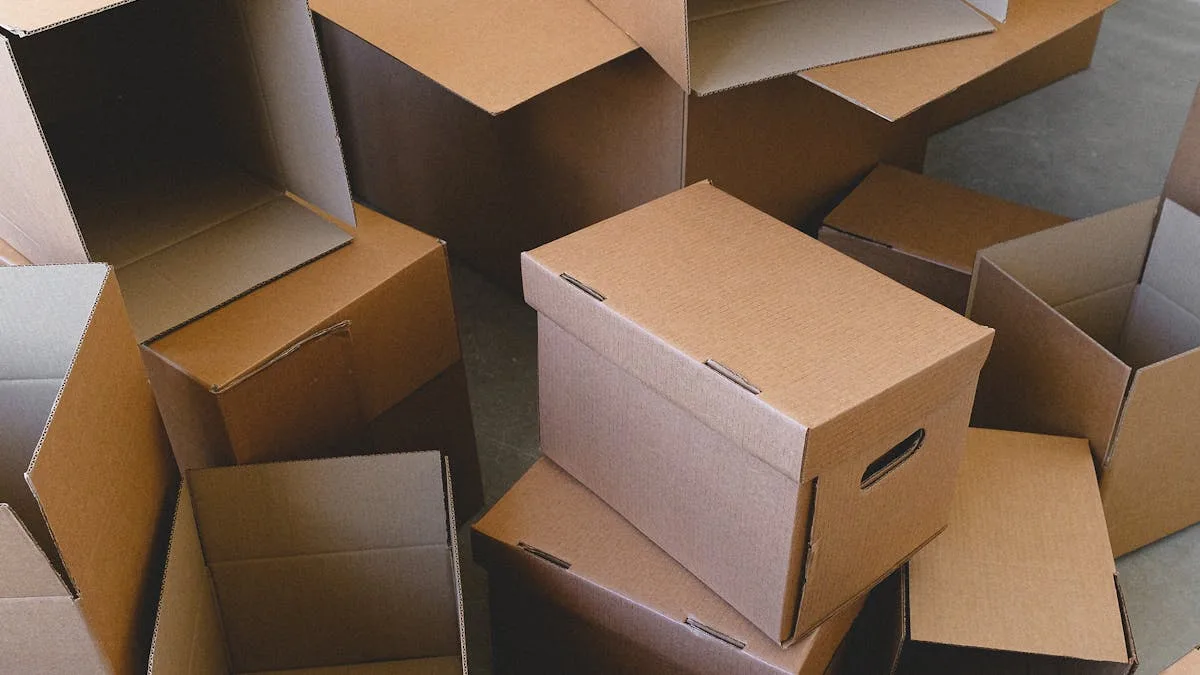
How many boxes you’ll actually need
Before hunting, know your target. The math depends on home size and how much you own, but these starting points hold up for most US households. Plan to add 30 to 50% on top once you know your base number, because every move turns up surprise volume in closets, garages, and storage.
- Studio apartment: 15–25 boxes
- 1-bedroom apartment: 25–40 boxes
- 2-bedroom apartment: 50–65 boxes
- 3-bedroom house: 75–90 boxes
- 4+ bedroom house: 100 or more
Add 30–50% to those numbers. Running out of boxes mid-pack is worse than the small drag of returning extras. Most people underestimate.
If you have a basement, attic, garage, or storage unit, add another 20+ boxes. Those spaces are where the surprise volume hides.
The reliable sources (call ahead, walk in)
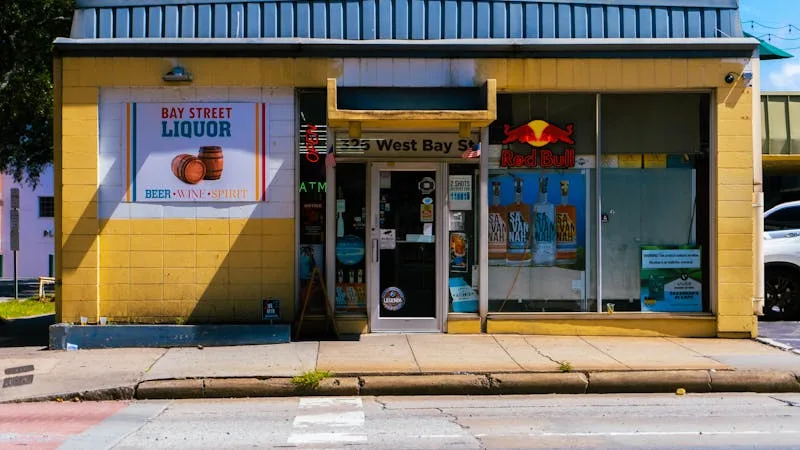
1. Liquor stores
The best free moving boxes you can get. Period.
Liquor store boxes are small, sturdy, and critically, several have internal dividers built for glass bottles. Those dividers are perfect for glassware, vases, and anything fragile.
Call before you go. Ask: “Do you have any liquor boxes I could take?” Most stores have a pile in the back from their morning deliveries. Tuesday or Wednesday morning is usually best, since that’s when weekly shipments come in.
Best for: wine glasses, vases, ceramics, anything fragile.
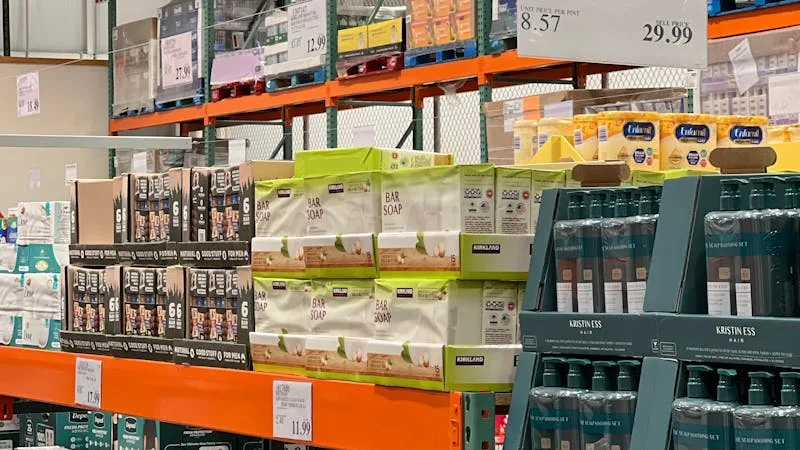
2. Costco (and Sam’s Club, BJ’s)
Warehouse clubs go through hundreds of boxes a day. They flatten and bale most of them, but managers will usually hold a stack for you if you ask.
Walk in, find the manager, ask: “I’m moving in a few weeks. Could I pick up some boxes when you have them?” Give them a phone number. They’ll text you when a shipment comes in.
Best for: large boxes (paper towels, water, cereal). Strong cardboard, often clean.
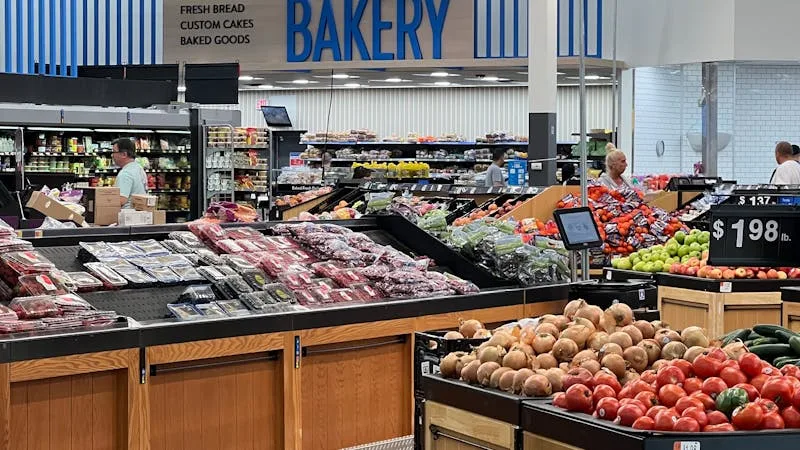
3. Local grocery stores
Ask in the produce department, not at the front. Produce gets boxes daily, the boxes are clean, and they’re a manageable size. Avoid the bakery section’s boxes; they’re usually flimsy.
Skip banana boxes specifically. The handle cutouts make them feel handy, but they’re designed for refrigerated transport, not for stacking heavy household items. The bottoms collapse.
Best for: kitchen items, books in small loads, mixed household.
4. Bookstores
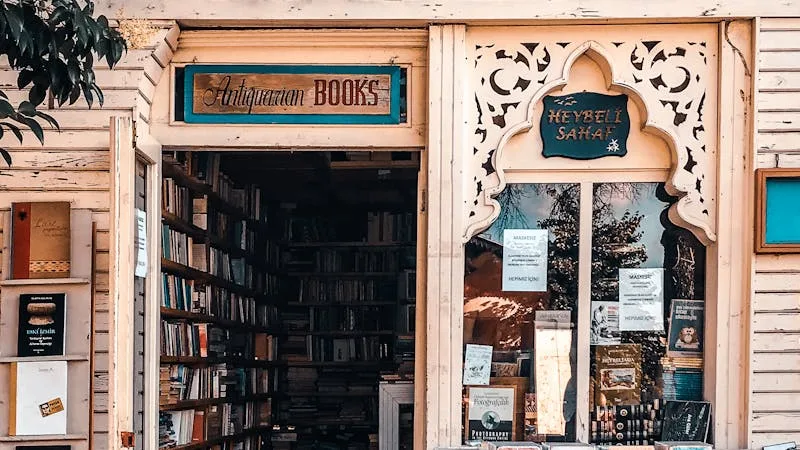
Independent bookstores and Barnes & Noble both get small, extremely sturdy boxes designed to ship books. These are the perfect weight class for a book-filled box. You can pack them full and they won’t blow out.
Most stores break boxes down at the end of each day. Show up before closing on a Friday or Saturday and you’ll often catch a fresh stack.
Best for: books, records, magazines, anything dense.
5. Office supply stores
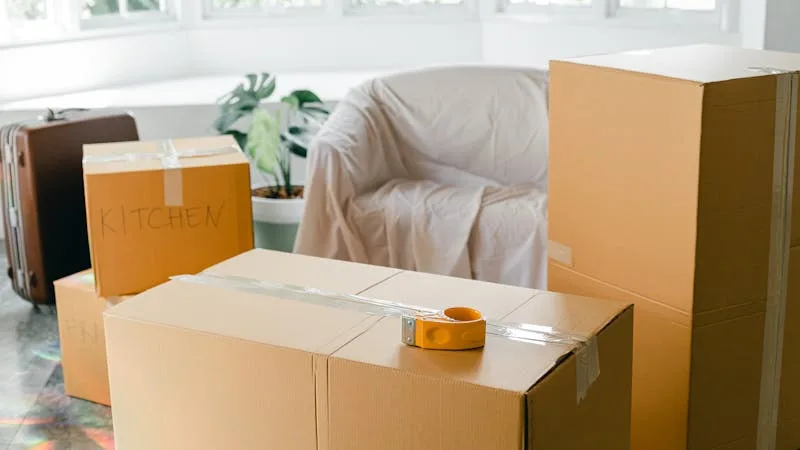
Staples, Office Depot, OfficeMax: paper boxes are gold. Reams of paper ship 10 to a box, the boxes are uniform medium size, and they handle weight well.
Best for: files, books, smaller dense items.
The online routes (free, but slower)
6. U-Haul Box Exchange
U-Haul runs a free box exchange board by location. People who just moved post their used boxes; people who are about to move pick them up.
The boxes are usually in great shape, since they’ve moved once and survived. Search by your zip code. Quality varies, but free moving-specific boxes are worth the drive.
7. Facebook Marketplace
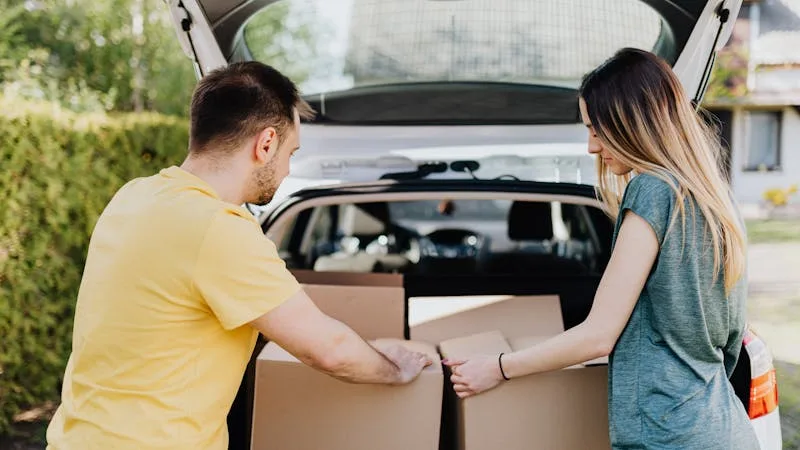
Filter to “Free” and search “moving boxes.” Most listings are people clearing out after their own move. You’ll usually find 20–50 boxes in one pickup, often with packing paper still inside.
Message the day you see the listing. These go fast.
8. Craigslist (free section)
Less active than Marketplace but still works. Set up a saved search and check every day or two during your packing window.

9. Nextdoor
Your literal neighborhood. Post: “Anyone with moving boxes to give away? Will pick up.” Half the time someone responds within hours.
Bonus: post the same message AFTER you move to pay it forward. You’ll free up your garage and someone else saves $100.
10. BoxGiver, BoxCycle, FreeBoxFinder
Smaller box-exchange sites that aggregate listings. Inventory depends entirely on your city. Worth a quick check, but don’t rely on them as your main source.
The ones most people miss
11. Buy Nothing groups (Facebook)
Every reasonably-sized US neighborhood has a Buy Nothing Facebook group. Search “Buy Nothing [your neighborhood].” Post: “ISO moving boxes. Can pick up.”
These groups run on gift-economy rules: no money, no trades, just neighbors giving stuff away. Boxes come faster than on Marketplace because nobody’s trying to recoup costs. Often within hours.
Best for: any size, any quantity, hyper-local pickup.

12. Local breweries (craft especially)
Microbreweries get pallet-loads of bottle boxes weekly. Several have built-in dividers for glassware, the same use case as liquor store boxes, often in better condition because breweries handle them less.
Walk into the tap room. Ask the bar staff or manager. Tuesday-Thursday mornings are usually delivery days.
Best for: glassware, vases, ceramics.
13. Furniture and mattress stores
Couch, table, and king-mattress boxes are double-walled, clean, and massive. Too big for ordinary household items, but perfect for blankets, pillows, decorative items, and awkward shapes like floor lamps.
Mattress stores break down boxes within hours of delivery. Get there in the morning or after a known delivery day.
Best for: large soft items, awkward shapes, framed art.
14. The UPS Store / FedEx Office
Customer returns produce a steady stream of clean, shipping-grade boxes. Ask the counter: “Do you have any boxes you’re going to throw out?” Most stores keep a pile in the back for exactly this question.
These boxes are uniform, reinforced for cross-country transit, and sized medium-to-large. Some of the best free boxes you’ll find.
Best for: general-purpose moving.
15. Local newspaper offices
Two-for-one stop. Newspapers get boxes from insert and supplement shipments. They also have end-rolls of newsprint: the leftover packing paper from the print run that they normally throw away.
Newsprint is the same paper movers sell for $20–$30 a roll. Most papers will give you 2–3 end-rolls free if you ask. That’s a stack of boxes plus $50–$75 of packing paper in one trip.
Call ahead. Ask for the production or pressroom manager. Mornings work better.
Best for: mixed boxes + a haul of free packing paper.
What to avoid
- Banana boxes: the handles are tempting but the bottoms fail under household-item weight.
- Wet or damp boxes: once cardboard absorbs moisture, the corrugation softens and won’t recover. Don’t trust your judgment on “looks dry.”
- Heavily printed boxes: TVs, electronics, appliance boxes. Hard to tape closed without ruining the print surface, hard to write on, and the foam inserts get in the way.
- Anything from a smoke shop or pet store: these absorb odors that transfer to your clothes and linens.
Box sizes that actually matter
Free boxes come in random sizes, and that’s mostly fine. But three size categories carry the load in a typical move, and getting the ratio right between them is the difference between an efficient pack and a back injury. The goal is roughly 60% medium, 30% small, and 10% large.
- Small (1.5 cubic feet, roughly 16″x12″x12″): books, dishes, dense items. If you can lift 30+ pounds easily, this is the size you want for anything heavy. Don’t put books in anything bigger; the box fails or your back does.
- Medium (3.0 cubic feet, roughly 18″x18″x16″): the workhorse. Most kitchen items, decor, electronics, and bedding fit here. Keep each medium box under 40 pounds packed.
- Large (4.5 cubic feet, roughly 18″x18″x24″): only for light, bulky items like pillows, blankets, lampshades, off-season clothes. Tempting for “I’ll just put everything in here.” That’s how bottoms blow out.
Get about 60% medium, 30% small, 10% large. Adjust if your home leans heavy (lots of books, dishes, glassware) by pulling more small boxes.
When to start hunting
Three to four weeks before your move is the sweet spot. Earlier than that and the boxes pile up in your living room with nowhere to go. Later than two weeks out and you spend your last days panic-buying boxes at retail prices, which defeats the whole point of hunting for free ones.
Check your top 3 sources every 2 to 3 days. Buy Nothing groups and Marketplace listings appear and disappear within hours. Brick-and-mortar sources (liquor stores, breweries) are steadier, but you have to walk in and ask.
If you find a big haul (50+ boxes from one source), grab them all even if it’s too early. Better to store boxes for a few weeks than scramble at the end.
Quick quality check before you load up
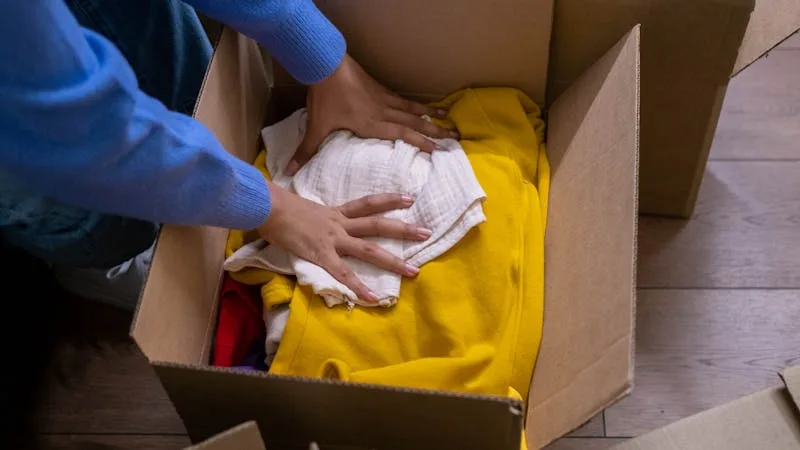
Free doesn’t always mean usable. Before loading boxes into your car, run a 10-second check on each one: squeeze the side panels, smell the inside for must, eyeball the bottom flaps for old creases, and look for pest signs near produce boxes. Thirty seconds at the source saves an hour of repacking later.
- Squeeze the side panels. Healthy cardboard resists with a sharp crinkle. Soft or spongy means compromised structure.
- Smell it. A musty smell means moisture absorbed at some point. Even if it feels dry now, the corrugation won’t recover.
- Check the bottom flaps. Look for old tape residue and crease lines. Those are weak points that fail under weight.
- Look for pest signs. Small pinholes, droppings, or residue near produce-section boxes. Don’t bring those into your home.
Thirty seconds of inspection at the source saves an hour of repacking later. And one collapsed box on moving day usually means one broken something.
Two more free things while you’re at it
Boxes are the obvious savings, but the packing materials that go inside them are usually free too if you know where to look. Newsprint end-rolls from your local paper, bubble wrap from any nearby retailer that ships product, and the towels and linens you already own can replace every dollar you’d otherwise spend on paper and bubble wrap.
Packing paper: the print-free end-rolls of newsprint that newspapers throw away. Call a local newspaper printer. Most will give you a stack of end-rolls for free.
Bubble wrap and packing peanuts: anyone who ships a lot has both. Pet stores, online retailers’ return centers, and Facebook Marketplace “free” sections are all good sources.
Towels, blankets, clothes: the cheapest packing material is what you already own. Wrap fragile items in t-shirts, sweaters, and bath towels. You pack two things at once (the item and the linen) and save bubble wrap for the truly fragile.
Quick recap
The best three sources for most people:
- Liquor stores for fragile items and small loads
- U-Haul Box Exchange or Facebook Marketplace for bulk pickups
- Costco or your local grocery for mixed-size top-ups
Two weeks of asking around will get you everything you need for a typical move, at $0.
Get more than you think you’ll need: 30 to 50% more. Running out of boxes mid-pack is worse than the small drag of returning extras.